
Specialized Mental Health Support for Those Who Served
Veteran Depression Treatment Massachusetts
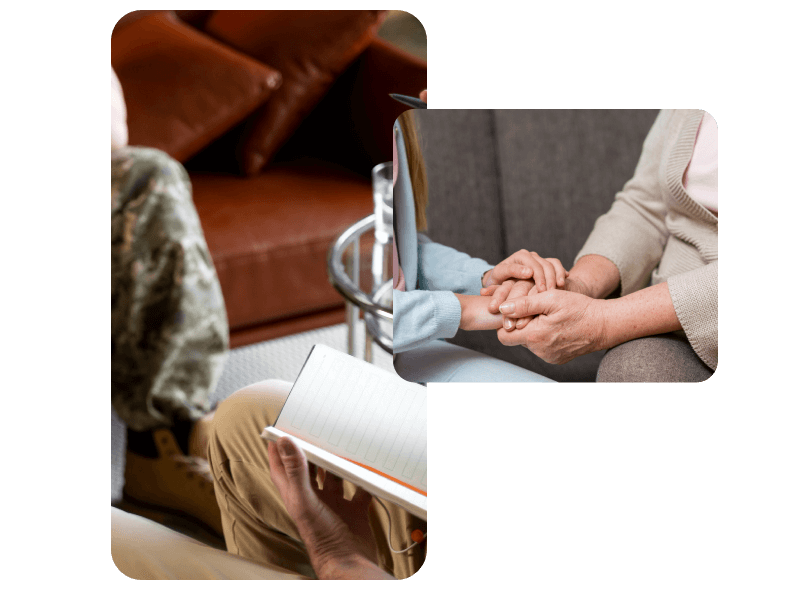
Healing Heroes Behavioral Health provides compassionate, trauma-informed depression treatment for veterans throughout Massachusetts. Our structured outpatient programs help veterans address persistent sadness, isolation, loss of motivation, trauma, substance use, and other challenges affecting daily life.
Confidential admissions support is available for veterans, military members, and first responders.
Depression can make even familiar responsibilities feel overwhelming. For veterans, depressive symptoms may develop alongside combat trauma, military sexual trauma, chronic pain, grief, relationship changes, moral injury, substance use, or difficulty adjusting to civilian life. Specialized veteran depression treatment in Massachusetts can provide the structure, clinical support, and understanding needed to begin moving forward.
Depression is more than having a bad day or feeling temporarily discouraged. It can affect energy, sleep, appetite, motivation, concentration, relationships, physical health, and the ability to experience pleasure. Some veterans feel deeply sad, while others primarily experience irritability, emotional numbness, exhaustion, anger, isolation, or a growing sense of disconnection.
Healing Heroes Behavioral Health offers veteran-focused treatment from our Walpole, Massachusetts location. Our programs are designed for people who have served their country and communities and need care that recognizes the realities of military and first responder culture.
Veteran-Focused Treatment
Receive care in an environment that recognizes military culture, service-related stress, trauma exposure, reintegration challenges, grief, and the pressure veterans may feel to handle problems alone.
Structured Outpatient Care
Our outpatient programs provide more frequent support than traditional weekly therapy while allowing participants to return home and remain involved in their communities.
Personalized Planning
Treatment recommendations consider each veteran’s symptoms, history, strengths, responsibilities, substance use, trauma experiences, support system, and personal recovery goals.
Understanding Depression in Veterans
Military service can involve prolonged stress, dangerous environments, painful losses, separation from loved ones, exposure to injury or death, and experiences that challenge a person’s beliefs about safety, trust, responsibility, and identity. Although many veterans transition successfully, others experience emotional difficulties that continue or emerge after service.
Learn more about symptoms and support on the VA depression resource page. Healing Heroes provides Veteran Depression Treatment Massachusetts programs designed around these realities.
Depression may develop independently, but it can also occur alongside post-traumatic stress disorder, anxiety, chronic pain, traumatic brain injury, sleep problems, or substance use. When multiple concerns occur together, treating only one symptom may not provide enough support.
A veteran may continue working, caring for family members, or appearing outwardly successful while privately struggling with hopelessness, emotional exhaustion, or loss of purpose. High functioning does not mean someone is not experiencing a serious mental health condition.
Signs a Veteran May Be Experiencing Depression
Depression does not look identical for every veteran. Symptoms may be emotional, behavioral, cognitive, or physical. They may develop gradually and become so familiar that the person no longer recognizes how much life has changed. Recognizing these signs early is the first step toward Veteran Depression Treatment Massachusetts support.
Emotional Symptoms
- Persistent sadness or emptiness
- Hopelessness about the future
- Guilt, shame, or worthlessness
- Irritability or frequent anger
- Emotional numbness
Behavioral Changes
- Withdrawing from family or friends
- Losing interest in meaningful activities
- Using alcohol or drugs to cope
- Neglecting responsibilities
- Avoiding appointments or social events
Physical and Cognitive Signs
- Sleeping too much or too little
- Fatigue or low energy
- Appetite or weight changes
- Difficulty concentrating
- Feeling slowed down or restless
Only a qualified healthcare professional can diagnose depression. However, persistent symptoms that interfere with work, relationships, self-care, sleep, or everyday functioning are important reasons to seek an assessment.
Why Specialized Depression Treatment Matters
Veterans may delay treatment because they believe they should be able to manage symptoms independently. Others worry that seeking care will be viewed as weakness, affect how people see them, or require them to retell painful experiences before trust has been established.
Veteran Depression Treatment Massachusetts programs at Healing Heroes are built to remove these barriers.
Effective treatment does not erase military experience or ask a veteran to abandon the strengths that helped them serve. Instead, treatment can help a person understand symptoms, identify patterns, develop healthier responses, reconnect with meaningful activities, improve relationships, and regain a sense of direction.
At Healing Heroes, treatment is built around respect, choice, collaboration, and practical recovery goals. Veterans are active participants in their care rather than passive recipients of a standard program.
Depression Is Treatable
You do not have to wait until symptoms become unbearable. Speak with our admissions team about veteran-focused treatment options in Massachusetts. Our team is ready to discuss Veteran Depression Treatment Massachusetts options today.
Depression Treatment Programs for Veterans in Massachusetts
The appropriate level of care depends on symptom severity, safety, daily functioning, previous treatment, substance use, available support, and clinical recommendations. Healing Heroes provides structured outpatient options for veterans who need more support than occasional counseling but do not require continuous inpatient supervision.
Each Veteran Depression Treatment Massachusetts plan is tailored to the individual veteran.
Intensive Outpatient Program for Depression
Our intensive outpatient program for veterans provides multiple treatment sessions during the week while allowing participants to live at home. IOP can be appropriate when depression is interfering with everyday life and weekly therapy alone is not providing enough structure.
Depending on clinical needs, IOP may include group therapy, individual support, coping-skills education, relapse prevention, emotional regulation, treatment planning, and support for rebuilding healthy routines.
This is one of several Veteran Depression Treatment Massachusetts levels of care we offer. Contact us today to learn more about Veteran Depression Treatment Massachusetts eligibility.
Partial Hospitalization Program
Our partial hospitalization program for veterans provides a higher level of daytime structure. PHP may be recommended when depressive symptoms significantly disrupt functioning or when a veteran needs substantial support while remaining outside a hospital overnight.
PHP is another option within our Veteran Depression Treatment Massachusetts continuum of care.
Dual-Diagnosis Treatment
Alcohol or drug use can become an attempt to manage sadness, trauma memories, insomnia, loneliness, pain, or emotional numbness. Substance use may provide temporary relief while making depression, relationships, physical health, and decision-making worse over time.
Addressing both concerns together is central to effective Veteran Depression Treatment Massachusetts care.
Our dual-diagnosis program for veterans addresses mental health and substance use concerns together. Integrated care helps participants understand how each condition affects the other and develop a more sustainable recovery plan.
How Veteran Depression Treatment Massachusetts Can Help
Depression treatment is individualized, and no single approach is right for everyone. A clinical team may use several evidence-based and supportive methods based on the veteran’s needs, goals, history, and level of care.
Cognitive Behavioral Therapy
Cognitive Behavioral Therapy helps participants examine connections between thoughts, emotions, and behaviors. Veterans can learn to identify unhelpful thinking patterns, test assumptions, develop more balanced perspectives, and gradually reengage with meaningful activities.
Dialectical Behavior Therapy Skills
DBT-informed skills can help with emotional regulation, distress tolerance, mindfulness, and communication. These tools may be especially useful when depression occurs alongside intense emotions, anger, impulsive behavior, relationship conflict, or self-destructive coping.
Trauma-Informed Therapy
When depression is connected to traumatic experiences, treatment should recognize how trauma can affect trust, sleep, concentration, emotional safety, relationships, and the nervous system. Trauma-informed care emphasizes collaboration and avoids pressuring participants to discuss experiences before adequate safety and preparation are established.
Group Support
Depression often tells people that they are alone, misunderstood, or beyond help. A thoughtfully facilitated group can reduce isolation, provide accountability, reinforce coping skills, and create opportunities to learn from others facing related challenges.
When Depression and PTSD Occur Together
Depression and PTSD can share several symptoms, including sleep disturbance, concentration problems, withdrawal, loss of interest, guilt, negative beliefs, and emotional numbness. A veteran experiencing both conditions may avoid reminders of trauma while also losing motivation to participate in activities that once created connection or purpose.
Treating co-occurring depression and trauma requires careful assessment. The clinical plan should account for current safety, readiness, substance use, coping skills, support systems, and how symptoms affect daily functioning.
Healing Heroes offers trauma therapy and structured veteran mental health programming that can address interconnected symptoms rather than treating each concern in isolation.
Rebuilding Routine, Connection, and Purpose
Recovery from depression is not based only on feeling happier. It may involve gradually restoring sleep, nutrition, movement, responsibilities, relationships, problem-solving, recreation, and a sense of contribution. Small, repeated actions can help veterans rebuild confidence even before motivation fully returns.
Treatment may help participants set realistic goals, recognize warning signs, create a plan for difficult days, reconnect with supportive people, and develop routines that reinforce long-term stability. Progress is rarely perfectly linear, but setbacks do not erase the work already completed.
Why Choose Healing Heroes Behavioral Health?
Healing Heroes Behavioral Health was developed to support veterans and first responders with care that respects their experiences and strengths. Our treatment environment combines clinical structure with an understanding that many participants are accustomed to responsibility, self-reliance, teamwork, and serving others.
- Veteran-centered programming: Services are designed for veterans, military members, and first responders.
- Trauma-informed approach: Care recognizes the relationship between trauma, mood, behavior, sleep, substance use, and physical health.
- Multiple levels of support: Veterans can be assessed for structured outpatient programming based on clinical needs.
- Integrated care: Mental health and substance use concerns can be addressed together.
- Individualized goals: Treatment planning is based on each participant’s needs, responsibilities, and recovery priorities.
- Insurance guidance: Our admissions team can review benefits and explain available payment or authorization steps.
Serving Veterans Across Massachusetts
Healing Heroes Behavioral Health serves veterans from our Walpole location in the Greater Boston area. We welcome inquiries from veterans and military families in Boston, Norwood, Dedham, Foxborough, Franklin, Framingham, Natick, Quincy, Brockton, Worcester, Cambridge, Lowell, Milford, Plymouth, and surrounding Massachusetts communities.
Veterans searching for depression treatment near Boston may benefit from a program that combines accessible outpatient care with clinicians who understand trauma, service-related stress, and the challenges of transitioning between military and civilian roles.
Insurance and VA Community Care
Healing Heroes works with eligible insurance plans and veteran healthcare arrangements. Coverage depends on your plan, clinical needs, authorization requirements, and the services recommended.
Veterans seeking treatment through VA Community Care generally need an appropriate VA referral and authorization before non-emergency community services begin. You may contact our admissions team to discuss the information needed for referral coordination.
Visit our VA Community Care mental health Massachusetts page to learn more about the general referral process.
Frequently Asked Questions
How do I know whether I have depression?
Depression may involve persistent sadness, hopelessness, loss of interest, fatigue, sleep or appetite changes, isolation, irritability, guilt, and concentration problems. A licensed healthcare professional must complete an assessment to determine whether symptoms meet diagnostic criteria.
Is depression common after military service?
Veterans may experience depression in connection with trauma, grief, physical injuries, chronic pain, reintegration challenges, relationship stress, isolation, or loss of military identity and purpose. Depression can also develop without one obvious cause.
Can outpatient treatment help severe depression?
Structured outpatient treatment can help many people, but the safest level of care depends on symptoms, functioning, suicide risk, medical needs, and available support. A professional assessment helps determine whether outpatient, partial hospitalization, inpatient, or another setting is appropriate.
Can depression and alcohol use be treated together?
Yes. When depression and substance use occur together, integrated dual-diagnosis care can address both conditions and the ways they influence one another.
Do I need to be in crisis to enter treatment?
No. Veterans can seek help when symptoms begin interfering with sleep, relationships, work, motivation, substance use, or quality of life. Early support may prevent symptoms from becoming more disruptive.
How do I begin treatment at Healing Heroes?
Call our admissions team or submit the contact form. We can discuss your concerns, review insurance or referral information, and explain the assessment and admission process.
Immediate Crisis Support
Healing Heroes is not an emergency service. Anyone experiencing suicidal thoughts, an immediate mental health crisis, or danger to themselves or others should call 911, visit the nearest emergency department, or call the Veterans Crisis Line by dialing 988 and pressing 1.
Start Veteran Depression Treatment in Massachusetts
Depression can make it difficult to imagine that life will improve, but effective support is available. Contact Healing Heroes Behavioral Health to explore veteran-focused treatment and take the next step toward stability, connection, and renewed purpose.