
Confidential Behavioral Health Support for Massachusetts EMS Professionals
Mental Health Treatment for EMTs and Paramedics Massachusetts
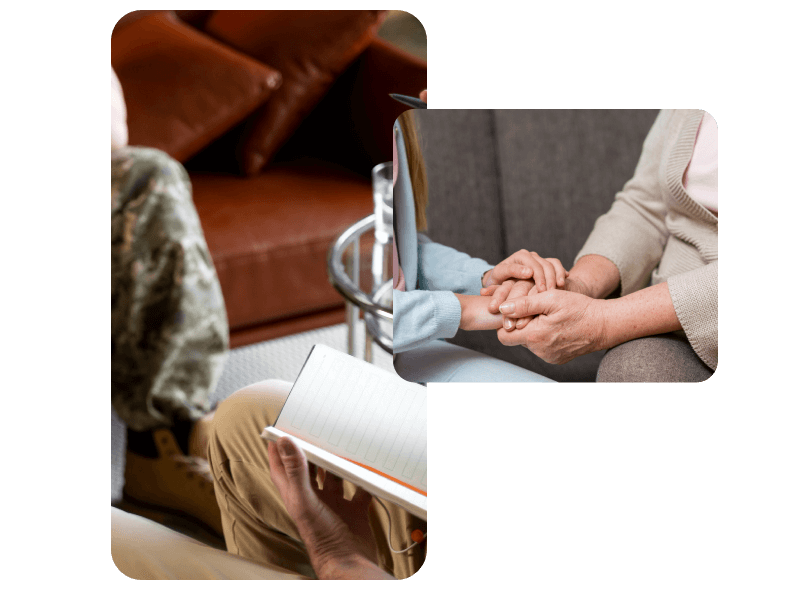
Healing Heroes Behavioral Health provides trauma-informed mental health and substance-use treatment for EMTs, paramedics, dispatchers, ambulance personnel, and other emergency medical professionals throughout Massachusetts. Our structured programs address PTSD, depression, anxiety, burnout, compassion fatigue, grief, sleep disruption, and substance use.
Speak privately with our admissions team about treatment, insurance benefits, and the assessment process.
EMTs and paramedics enter people’s lives during their most frightening and vulnerable moments. They respond to severe injuries, overdoses, cardiac arrests, suicides, child emergencies, violent incidents, fatal accidents, and unpredictable medical crises. Specialized mental health treatment for EMTs and paramedics in Massachusetts can help emergency medical professionals process these experiences and recover from symptoms that affect sleep, relationships, health, work, and quality of life.
EMS professionals are trained to remain calm, assess danger, stabilize patients, and make rapid clinical decisions under pressure. That training is essential in an emergency, but it can become difficult to shift out of a high-alert state after the call ends. Some providers continue replaying the scene, questioning decisions, anticipating the next emergency, or feeling responsible for outcomes they could not control.
Healing Heroes Behavioral Health provides specialized treatment for veterans and first responders from our Walpole location in Greater Boston. Our programs recognize EMS culture, unpredictable schedules, occupational trauma, compassion fatigue, confidentiality concerns, physical demands, and the pressure to keep functioning despite emotional distress.
EMS-Focused Care
Treatment recognizes emergency medical culture, repeated exposure to suffering, unpredictable calls, long shifts, difficult patient outcomes, and the emotional responsibility involved in patient care.
Mental Health Treatment for EMTs and Paramedics Massachusetts Programs
Intensive outpatient and partial hospitalization programs provide consistent clinical support for EMS professionals who need more than occasional therapy.
Dual-Diagnosis Support
Mental health symptoms and alcohol or drug use can be addressed together through an individualized and coordinated treatment plan.
The Mental Health Demands of Emergency Medical Services
EMS professionals repeatedly encounter circumstances involving fear, pain, grief, uncertainty, and death. They may need to provide lifesaving care in unsafe environments, crowded homes, moving ambulances, public spaces, severe weather, or scenes involving violence and emotional distress.
Some calls are immediately recognized as traumatic. These may include a pediatric death, a fatal collision, an unsuccessful resuscitation, a mass-casualty incident, an assault on a provider, or an emergency involving someone the clinician knows personally.
Other effects develop gradually. An EMT or paramedic may respond to hundreds of difficult calls over several years without enough time to recover between them. Once one patient is transferred, the crew may be dispatched again before completing documentation, eating a meal, resting, or emotionally processing the previous event.
EMS professionals may also face staffing shortages, mandatory overtime, rotating schedules, inadequate sleep, workplace conflict, physical injuries, low staffing resources, and frustration with systems that repeatedly expose them to the same preventable emergencies.
Signs an EMT or Paramedic May Need Additional Support
Stress reactions can become normalized within EMS. A clinician may assume poor sleep, irritability, emotional detachment, or increased alcohol use are simply part of the profession. Treatment should be considered when symptoms continue, intensify, or interfere with work, health, relationships, decision-making, or everyday functioning.
Emotional Symptoms
- Irritability or frequent anger
- Persistent sadness or hopelessness
- Emotional numbness
- Anxiety or panic symptoms
- Guilt about patient outcomes
Trauma and Stress Symptoms
- Nightmares or intrusive memories
- Feeling constantly on alert
- Avoiding reminders of difficult calls
- Strong reactions to alarms or dispatch tones
- Difficulty relaxing when off duty
Behavioral and Physical Changes
- Increasing alcohol or drug use
- Withdrawal from family and friends
- Chronic exhaustion or insomnia
- Difficulty concentrating
- Risk-taking or impulsive behavior
A professional evaluation can help determine whether symptoms are related to PTSD, depression, anxiety, burnout, grief, substance use, sleep disruption, or another treatable condition.
PTSD and Cumulative Trauma Among EMS Professionals
Post-traumatic stress disorder may develop after direct exposure to a traumatic event, witnessing injury or death, learning about a serious event affecting a colleague, or repeatedly encountering distressing details through professional duties.
PTSD symptoms can include intrusive memories, nightmares, avoidance, emotional numbness, negative beliefs, irritability, heightened alertness, exaggerated startle responses, and difficulty concentrating. Symptoms may continue even when the EMS professional is no longer at work or physically unsafe.
Not every EMT or paramedic who experiences trauma develops PTSD. However, persistent symptoms that disrupt sleep, relationships, clinical confidence, work performance, or everyday life deserve professional attention.
Cumulative trauma may also develop without one defining incident. Repeated exposure to severe illness, overdose deaths, family grief, violence, and unsuccessful interventions can gradually change how an EMS professional views the public, the healthcare system, personal safety, and their own ability to help.
You Provide Care in Other People’s Worst Moments
You deserve specialized support when repeated emergencies begin affecting your sleep, relationships, health, substance use, or ability to recover between shifts.
Compassion Fatigue and EMS Burnout
Compassion is an essential part of emergency medicine, but repeated exposure to suffering can become emotionally exhausting. Compassion fatigue may involve detachment, reduced empathy, irritability, guilt, emotional numbness, or a sense that caring has become more difficult.
Burnout is often associated with emotional exhaustion, cynicism, reduced professional fulfillment, and the feeling that job demands repeatedly exceed available energy and resources. It can be intensified by staff shortages, inadequate recovery time, frequent overtime, administrative pressure, and limited control over scheduling.
National organizations such as the Code Green Campaign provide EMS-specific mental health education and peer support resources. Our Mental Health Treatment for EMTs and Paramedics Massachusetts programs work alongside these community efforts to give first responders a confidential, clinical path to recovery.
An EMS professional experiencing burnout may still complete required tasks while feeling increasingly disconnected from patients, coworkers, family, or the reasons they entered emergency medicine. Others begin considering leaving the profession but feel uncertain about their identity and future outside EMS.
Treatment can help participants separate burnout, depression, trauma, sleep disruption, and moral distress so that each concern can be addressed appropriately.
Moral Distress, Guilt, and Difficult Patient Outcomes
EMS professionals may experience moral distress when circumstances prevent them from providing the care they believe a patient needs. Limited resources, unsafe scenes, delayed transport, repeated overdoses, treatment refusal, complex system barriers, or an inability to save a patient may create lasting guilt or frustration.
Paramedics are trained to analyze performance and learn from cases. That professional reflection can become harmful when it turns into constant self-blame, repeated mental review, or the belief that one different decision would certainly have changed an outcome.
Therapy can help EMS professionals evaluate responsibility realistically, process grief, recognize limits of control, and reconnect with the values that led them to serve.
Depression and Emotional Isolation
Depression does not always appear as visible sadness. EMTs and paramedics may experience irritability, emotional numbness, exhaustion, loss of interest, hopelessness, reduced motivation, or difficulty feeling connected to people outside emergency services.
Left unaddressed, these symptoms tend to build over time, which is why early, confidential Mental Health Treatment for EMTs and Paramedics Massachusetts services can make such a meaningful difference.
Shift work can interfere with relationships, family routines, social activities, exercise, nutrition, and consistent sleep. EMS professionals may miss holidays, birthdays, weekends, and community events while repeatedly encountering people during emergencies.
Treatment can help participants rebuild routines, improve emotional awareness, reconnect with meaningful relationships, and develop an identity that includes but is not limited to professional service.
Alcohol and Substance Use Among EMTs and Paramedics
Alcohol may become a way to unwind after a shift, fall asleep, socialize with coworkers, reduce anxiety, or avoid intrusive memories. Prescription medication or other substances may also be used to manage physical pain, exhaustion, emotional distress, or an unpredictable work schedule.
Substance use can gradually worsen sleep quality, anxiety, depression, physical health, judgment, relationships, and occupational performance. EMS professionals may avoid seeking help because they fear stigma, licensing consequences, employment concerns, or losing the trust of coworkers.
Our dual-diagnosis treatment for first responders addresses mental health and substance use together. Participants can explore why substances became important, develop healthier coping skills, manage triggers, and create a recovery plan that considers professional and family responsibilities.
Treatment Programs for Massachusetts EMTs and Paramedics
The appropriate level of care depends on symptoms, safety, substance use, daily functioning, previous treatment, available support, and clinical recommendations. Healing Heroes provides structured outpatient options for EMS professionals who need more support than occasional counseling but do not require continuous inpatient supervision.
Intensive Outpatient Program
An intensive outpatient program for first responders provides several treatment sessions during the week while allowing appropriate participants to live at home. IOP may help address PTSD, depression, anxiety, burnout, substance use, grief, and relationship concerns.
Partial Hospitalization Program
A partial hospitalization program for first responders offers a more intensive daytime treatment schedule. PHP may be appropriate when symptoms significantly interfere with functioning or when substantial support is needed without overnight hospitalization.
Trauma and Mental Health Treatment
Our mental health treatment for first responders may include individual counseling, group therapy, psychoeducation, coping-skills training, relapse prevention, stress management, and personalized recovery planning.
Evidence-Based and Trauma-Informed Treatment
Treatment is individualized according to the EMS professional’s symptoms, occupational experiences, personal history, support system, responsibilities, and readiness. No single approach is appropriate for every participant.
Cognitive Behavioral Therapy
Cognitive Behavioral Therapy can help participants identify connections between thoughts, emotions, physical reactions, and behaviors. EMS professionals may examine beliefs related to responsibility, danger, control, trust, guilt, and professional competence.
Dialectical Behavior Therapy Skills
DBT-informed skills can support emotional regulation, mindfulness, distress tolerance, healthy communication, and more effective responses to anger, impulsivity, or overwhelming emotions.
Trauma-Informed Therapy
Trauma-informed care emphasizes safety, transparency, collaboration, trust, and personal choice. EMS professionals are not required to describe graphic calls before adequate coping skills and therapeutic trust have been established.
Mindfulness and Stress Regulation
Mindfulness practices can help participants notice physical activation, reduce automatic reactions, improve attention, and transition more effectively from emergency response into recovery. Learn more about our mindfulness-based stress reduction program.
Peer Support and Professional Treatment
Peer-support teams can help normalize conversations about stress, reduce isolation, provide immediate connection after critical incidents, and guide EMS professionals toward appropriate resources.
Peer support is valuable, but it does not replace clinical assessment or treatment when symptoms persist, safety is a concern, substance use is increasing, or functioning is declining. Peers and licensed professionals can serve complementary roles in recovery.
Healing Heroes provides a first-responder-focused environment where participants can connect with clinicians and others who understand the emotional demands of service.
Supporting EMS Families and Relationships
EMS stress frequently affects spouses, partners, children, and close friends. Family members may notice poor sleep, irritability, increased drinking, emotional withdrawal, excessive vigilance, or difficulty participating in everyday activities.
EMTs and paramedics may avoid discussing calls because they want to protect loved ones from disturbing details. Family members may interpret that silence as rejection or lack of trust.
Treatment can help participants communicate about the effects of work without recounting every clinical detail, create transition routines after shifts, improve boundaries around overtime, rebuild connection, and help loved ones recognize signs that symptoms are worsening.
Why Choose Healing Heroes Behavioral Health?
Healing Heroes was developed for veterans and first responders who need treatment grounded in an understanding of service, trauma exposure, responsibility, and occupational culture. Our goal is to help EMTs and paramedics receive effective care without reducing their identity to a diagnosis.
- First-responder specialization: Programs are designed for EMS professionals, firefighters, police officers, veterans, and related service populations.
- Trauma-informed treatment: Care emphasizes safety, collaboration, transparency, trust, and personal choice.
- Structured outpatient care: IOP and PHP provide more support than weekly therapy alone.
- Dual-diagnosis services: Mental health and substance-use concerns can be addressed together.
- Personalized recovery planning: Treatment reflects symptoms, strengths, family needs, scheduling realities, and professional responsibilities.
- Admissions support: Our team can review insurance benefits and explain the assessment and admission process.
Serving EMTs and Paramedics Across Massachusetts
Healing Heroes Behavioral Health is located in Walpole, south of Boston, and supports EMS professionals throughout Massachusetts and New England. We welcome inquiries from Boston, Norwood, Dedham, Foxborough, Franklin, Framingham, Natick, Quincy, Brockton, Worcester, Cambridge, Lowell, Milford, Plymouth, and surrounding communities.
EMTs and paramedics searching for first-responder mental health treatment near Boston may benefit from a specialized setting that combines trauma therapy, substance-use treatment, and structured levels of outpatient care.
Insurance and Admissions
Insurance coverage depends on the plan, network status, medical necessity, authorization requirements, and recommended level of care. Healing Heroes can review available benefit information and explain potential financial responsibilities before admission.
Some EMS professionals are referred by healthcare providers, employee assistance programs, unions, peer-support teams, family members, or workplace wellness programs. Others contact treatment independently.
Calling admissions does not obligate you to enroll. Our team can explain available services, answer preliminary questions, review insurance information, and help determine whether a clinical assessment is appropriate.
Frequently Asked Questions
What mental health conditions commonly affect EMTs and paramedics?
EMS professionals may experience PTSD, depression, anxiety, burnout, compassion fatigue, grief, sleep disruption, substance-use disorders, or difficulties related to cumulative occupational stress. A professional assessment is required to identify the specific condition and appropriate care.
Can repeated emergency calls cause trauma symptoms?
Yes. Some EMS professionals experience symptoms after one critical incident, while others develop cumulative effects following repeated exposure to severe injury, death, overdoses, violence, and medical emergencies.
Is EMS mental health treatment confidential?
Behavioral health providers generally follow privacy laws and professional confidentiality requirements, with legally required exceptions. Employment-related referrals may involve different documentation rules, so ask about privacy and information sharing before treatment.
Can PTSD and substance use be treated together?
Yes. Dual-diagnosis care can address trauma, depression, anxiety, sleep concerns, and alcohol or drug use within one coordinated treatment plan.
Can working EMTs and paramedics attend an IOP?
IOP may be appropriate for EMS professionals who need structured care but do not require inpatient treatment. Scheduling feasibility depends on program hours, work schedules, attendance requirements, and clinical recommendations.
How do I begin treatment at Healing Heroes?
Call the admissions team or complete the confidential contact form. We can discuss your concerns, review insurance information, explain available programs, and coordinate a clinical assessment.
Immediate Crisis Support
Healing Heroes is not an emergency service. Anyone in immediate danger or at risk of harming themselves or another person should call 911, visit the nearest emergency department, or call or text 988 for crisis support.
Start Confidential Treatment for EMTs and Paramedics in Massachusetts
You spend your career helping people survive emergencies. You deserve specialized support when the emotional impact of that service becomes difficult to carry alone. Contact Healing Heroes Behavioral Health to discuss Mental Health Treatment for EMTs and Paramedics Massachusetts options tailored to your schedule and needs.