
Hope, Connection, and Veteran-Focused Support
Veteran Suicide Prevention Massachusetts
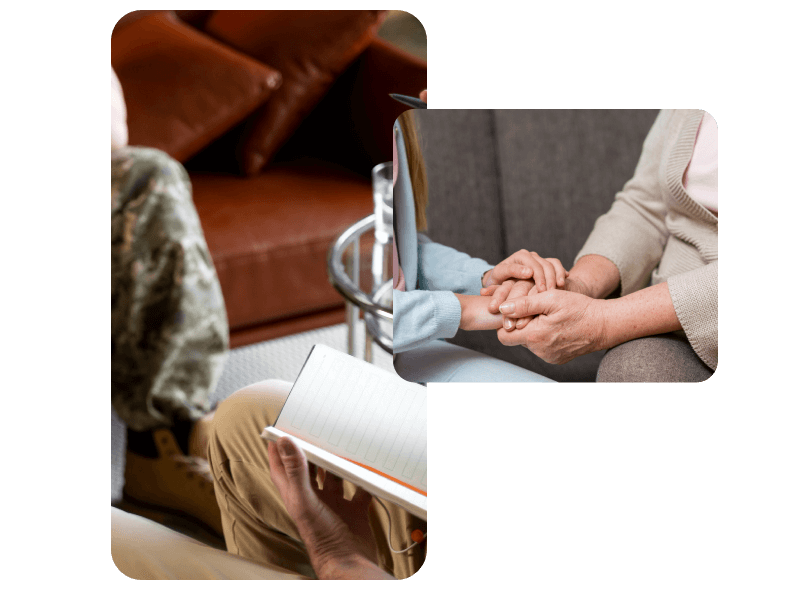
Healing Heroes Behavioral Health provides structured mental health and substance-use treatment for veterans experiencing depression, PTSD, hopelessness, isolation, substance misuse, and other concerns that may increase emotional crisis risk.
Healing Heroes is an outpatient treatment provider and is not an emergency response service.
A mental health crisis can make a veteran feel trapped, disconnected, or unable to imagine that circumstances can improve. Timely support, meaningful human connection, professional treatment, and a practical safety plan can help create a path through an overwhelming moment. Effective veteran suicide prevention in Massachusetts includes both immediate crisis intervention and ongoing care that addresses the conditions contributing to emotional distress.
Veterans may face a combination of combat trauma, military sexual trauma, chronic pain, grief, relationship changes, financial stress, substance use, sleep problems, depression, PTSD, moral injury, or difficulty transitioning to civilian life. These experiences do not automatically mean someone will consider suicide, but they can become increasingly difficult when a veteran feels isolated or believes that asking for help will burden others.
Healing Heroes Behavioral Health offers veteran-focused outpatient treatment from our Walpole, Massachusetts location. Our role is to provide continuing clinical care after immediate danger has been addressed or to help veterans seek support before distress develops into an emergency.
Immediate Crisis Help
Veterans in immediate danger should contact 911, visit an emergency department, or call the Veterans Crisis Line at 988 and press 1.
Ongoing Veteran Suicide Prevention Massachusetts Treatment
Structured care can address depression, trauma, anxiety, substance use, isolation, emotional dysregulation, and other conditions that contribute to recurring crises.
Family Guidance
Loved ones can help by listening without judgment, taking concerns seriously, connecting the veteran with crisis support, and helping reduce isolation.
Understanding Crisis Intervention and Ongoing Mental Health Treatment
Crisis intervention and outpatient treatment serve different but connected purposes. Crisis responders focus on immediate safety, stabilization, and connection to urgent resources. Outpatient programs focus on the underlying symptoms, patterns, and life circumstances that may contribute to repeated periods of emotional distress.
If you or a veteran you know is in crisis right now, contact the Veterans Crisis Line by dialing 988 and pressing 1. Healing Heroes offers Veteran Suicide Prevention Massachusetts programs for ongoing care after a crisis has stabilized.
A veteran who is actively attempting suicide, has an immediate plan to harm themselves, cannot remain safe, is experiencing severe intoxication, or is in another life-threatening situation needs emergency assistance rather than a routine outpatient appointment.
After immediate safety is established, ongoing treatment may help the veteran understand triggers, manage depression or PTSD, reduce substance use, improve sleep, rebuild relationships, increase coping skills, and create a plan for responding when difficult thoughts return.
Do not wait for certainty. When you are seriously concerned that a veteran may be unsafe, contact the Veterans Crisis Line, emergency services, or a qualified healthcare professional for immediate guidance.
Changes That May Signal a Veteran Needs Immediate Support
No single behavior proves that someone is considering suicide. However, significant changes in mood, communication, behavior, substance use, or everyday functioning should be taken seriously—especially when several changes appear together or follow a major loss or stressful event.
What a Veteran May Say
- They feel hopeless or trapped
- Others would be better without them
- There is no reason to continue
- The emotional pain is unbearable
- They cannot see another solution
Behavioral Changes
- Withdrawing from loved ones
- Sudden increases in alcohol or drug use
- Giving away meaningful belongings
- Unexpectedly saying goodbye
- Taking unusual or dangerous risks
Emotional and Daily-Life Changes
- Extreme anxiety, agitation, or anger
- Severe sleep disruption
- Rapid mood changes
- Loss of interest or motivation
- Neglecting health or responsibilities
Family members and friends do not need to diagnose the veteran. Their role is to notice concerning changes, ask direct and compassionate questions, stay present, and connect the person with qualified support.
How to Speak With a Veteran You Are Concerned About
Many people worry that asking about suicide will make the situation worse. Avoiding the subject, however, can leave the veteran feeling more alone. A calm, direct conversation can communicate that you are willing to hear the truth and remain present.
Choose a private setting when possible and speak without judgment. You might say that you have noticed changes, that you care, and that you want to understand how the person is doing. Listen rather than immediately trying to solve every problem.
Take statements about suicide seriously. Do not dismiss them as attention-seeking, argue about whether the person has reasons to live, demand promises, or use guilt. When danger may be immediate, remain with the veteran when safe to do so and contact crisis or emergency services.
A Crisis Should Not Be Managed Alone
Veterans, service members, and their loved ones can contact the Veterans Crisis Line 24 hours a day by calling 988 and pressing 1 or texting 838255.
Building Protection Before a Crisis Develops
Suicide prevention is not limited to responding at the most dangerous moment. It also involves strengthening the parts of life that support stability and reducing conditions that can intensify emotional distress. Ongoing Veteran Suicide Prevention Massachusetts care can help build these protective factors over time.
Protective factors may include meaningful relationships, consistent mental health care, connection with other veterans, a sense of purpose, practical coping skills, stable housing, healthy routines, reduced substance use, and willingness to reach out when symptoms begin worsening.
Stressful life events such as divorce, bereavement, job loss, legal difficulties, financial pressure, medical diagnoses, chronic pain, or changes in housing may increase vulnerability. These events can become more dangerous when combined with depression, PTSD, substance use, insomnia, or social isolation.
Treatment can help veterans recognize their personal warning signs and identify specific people, places, skills, and professional resources they can use before distress becomes overwhelming.
The Role of a Personalized Safety Plan
A safety plan is a practical, individualized tool developed collaboratively with a qualified professional. It is intended to help a person recognize an emerging crisis and move through specific steps toward safety and support.
Safety planning is a core part of our Veteran Suicide Prevention Massachusetts approach.
Depending on the individual, a safety plan may identify:
- Personal warning signs that distress is increasing
- Internal coping strategies that have helped before
- People or settings that provide healthy distraction
- Trusted individuals who can provide direct support
- Professional providers and crisis resources
- Steps to make the immediate environment safer
- Reasons, responsibilities, relationships, or goals that support continued living
A safety plan is not a substitute for emergency help. If the veteran cannot follow the plan or remain safe, crisis or emergency services should be contacted immediately.
Creating a Safer Environment During High-Risk Periods
When a person is experiencing an acute crisis, increasing the time and distance between the person and potentially dangerous items can create an important opportunity for the crisis to pass and for help to arrive.
A healthcare professional or crisis responder can help families discuss temporary safety measures involving firearms, medications, alcohol, or other items that may create danger. These conversations should be respectful, practical, and focused on preserving life rather than judgment or punishment.
Families who are unsure how to make the environment safer should contact the Veterans Crisis Line, emergency services, or the veteran’s treatment team for individualized guidance.
Treating Conditions Connected to Recurring Crises
Suicidal thoughts may occur alongside one or more treatable mental health or substance-use conditions. Addressing these underlying concerns can reduce suffering, improve functioning, and help a veteran build a more stable life.
Depression and Hopelessness
Depression can affect energy, motivation, sleep, concentration, relationships, and the ability to imagine positive change. Our veteran depression treatment in Massachusetts provides structured support for veterans whose symptoms are disrupting daily life.
Treating depression is often an essential part of Veteran Suicide Prevention Massachusetts care.
PTSD and Trauma
Trauma-related symptoms can include nightmares, intrusive memories, hypervigilance, shame, emotional numbness, anger, and avoidance. Our PTSD treatment for veterans is designed to address both immediate symptoms and their effects on relationships, substance use, and daily functioning.
Substance Use and Emotional Crisis
Alcohol or drugs may be used to numb emotional pain, manage sleep, or escape traumatic memories. Intoxication can also increase impulsivity and reduce a person’s ability to use coping strategies. Integrated dual-diagnosis treatment for veterans addresses substance use and mental health together.
Structured Outpatient Treatment at Healing Heroes
After a veteran has been assessed and is no longer in immediate danger, structured outpatient care may help support continued stabilization and recovery. The appropriate level of care depends on current risk, symptoms, functioning, medical needs, available support, and clinical recommendations.
Intensive Outpatient Program
Our intensive outpatient program for veterans provides several treatment sessions each week while allowing participants to live at home. IOP may help veterans strengthen coping strategies, address depression or trauma, reduce substance use, and build greater consistency in daily life.
Partial Hospitalization Program
Our partial hospitalization program for veterans offers a more intensive daytime schedule. PHP may be considered when a veteran needs substantial structure but does not require continuous inpatient supervision.
Outpatient treatment is not appropriate for every crisis situation. Healing Heroes conducts assessments and recommends emergency or higher-level services when a person’s immediate safety needs exceed what an outpatient setting can provide.
Why Veterans Choose Healing Heroes Behavioral Health
Veterans may be more willing to participate in care when they feel understood rather than judged. Healing Heroes was developed to provide specialized mental health and substance-use treatment for veterans and first responders in a setting that recognizes service, trauma exposure, responsibility, and the difficulty of asking for help.
- Veteran-focused environment: Programs are designed for veterans, military members, and first responders.
- Trauma-informed care: Treatment emphasizes safety, trust, collaboration, and personal choice.
- Structured support: IOP and PHP options offer more consistency than occasional outpatient appointments.
- Dual-diagnosis treatment: Mental health symptoms and substance use can be addressed together.
- Individualized planning: Recommendations reflect symptoms, strengths, risks, responsibilities, and recovery goals.
- Admissions coordination: Our team can review insurance benefits and VA Community Care authorization information.
Veteran Crisis and Mental Health Resources in Massachusetts
Healing Heroes Behavioral Health is located in Walpole and serves veterans throughout the Greater Boston region and Massachusetts. We welcome inquiries from Boston, Norwood, Dedham, Foxborough, Franklin, Framingham, Natick, Quincy, Brockton, Worcester, Cambridge, Lowell, Milford, Plymouth, and surrounding communities.
Veterans may also seek urgent assistance through the Veterans Crisis Line, hospital emergency departments, VA medical centers, local emergency services, or Massachusetts crisis resources. The best resource depends on the immediacy and severity of the situation.
VA Community Care and Insurance
Veterans may be able to access ongoing behavioral health treatment through commercial insurance, TRICARE, or an authorized VA Community Care referral. Benefits, authorization requirements, and covered levels of care vary.
Veterans seeking community treatment through the VA generally need approval before non-emergency services begin. Visit our VA Community Care mental health Massachusetts page or contact admissions to discuss the referral information needed.
Frequently Asked Questions
What number should a veteran call during a mental health crisis?
Call the Veterans Crisis Line at 988 and press 1. Veterans and loved ones can also text 838255. Call 911 when there is immediate danger or a life-threatening emergency.
Does a veteran have to be enrolled with the VA to call the crisis line?
No. VA healthcare enrollment is not required to contact the Veterans Crisis Line for support.
Can a family member call about a veteran?
Yes. Loved ones can contact the Veterans Crisis Line when they are concerned about a veteran or service member and need help deciding what to do next.
Is Healing Heroes a crisis center?
No. Healing Heroes is an outpatient behavioral health provider. Immediate danger requires 911, an emergency department, the Veterans Crisis Line, or another emergency resource.
Can Healing Heroes provide care after a mental health crisis?
Healing Heroes can evaluate whether its outpatient programs are clinically appropriate after immediate safety has been established. Admission depends on assessment results, current risk, treatment needs, and program criteria.
How can I start ongoing treatment?
Call Healing Heroes or complete the contact form. Our admissions team can discuss current needs, review insurance or referral information, and explain the assessment process.
Immediate Crisis Support
Healing Heroes is not an emergency or crisis-response service. Call 911 or go to the nearest emergency department when someone is in immediate danger.
Veterans, service members, and their loved ones can call 988 and press 1 or text 838255 to reach the Veterans Crisis Line.
Build Continuing Support After the Crisis
Once immediate safety has been established, ongoing veteran-focused treatment can help address depression, PTSD, substance use, isolation, and recurring emotional distress. Contact Healing Heroes Behavioral Health to discuss the next step.